

When a loved one dies because of someone else’s negligence, most families assume the legal system will fully account for what happened before death. They expect that if the person suffered physically and emotionally before passing away, that suffering will remain part of the case. In California, that assumption became much more dangerous in 2026.
That is because the law changed again. A temporary window that had allowed certain survival actions to recover damages for a decedent’s pre-death pain, suffering, or disfigurement expired. For Los Angeles families dealing with fatal car accidents, pedestrian deaths, rideshare crashes, dangerous property incidents, or other negligence-based deaths, this change can directly affect what a case is worth and how it should be framed.
This matters because many people confuse wrongful death claims and survival actions. They are related, but they are not the same thing. One focuses on the losses suffered by surviving family members. The other focuses on the claim the deceased person would have had if they had lived. In 2026, that distinction matters more than a lot of families realize.
For a site like Los Angeles Personal Injury Attorneys, this is a strong topic because it adds a real legal-update article to an existing cluster that already includes claim-process guidance, comparative negligence, rideshare insurance, hit-and-run crashes, and pedestrian accidents. It also helps explain why a fatal-injury case may look very different in 2026 than it did just a short time ago.
Why the 2026 Survival Action Change Matters So Much
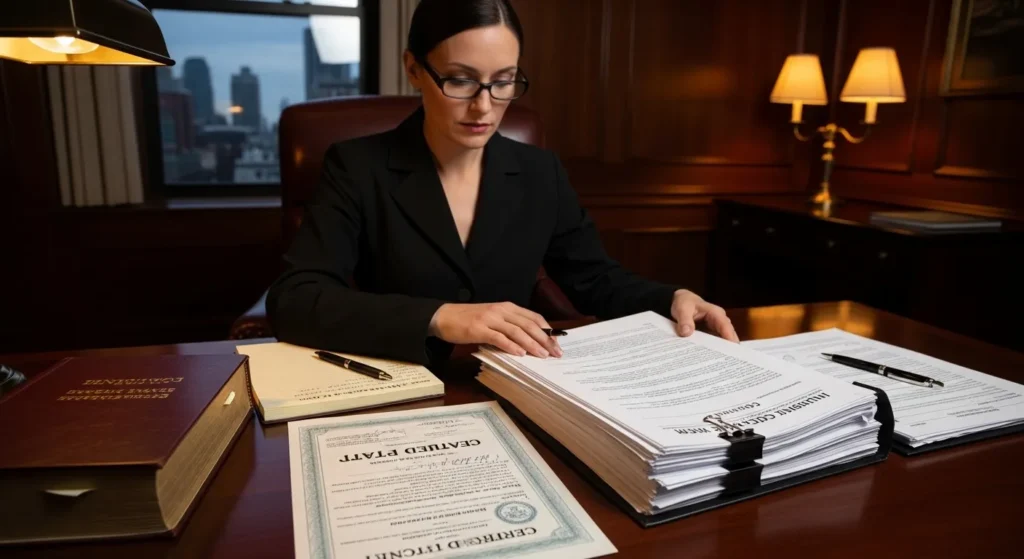
For years, California generally did not allow an estate to recover a deceased person’s pain and suffering damages in a survival action. Then a temporary change opened that door for a limited period. Families, lawyers, insurers, and courts all had to adjust to the idea that a decedent’s suffering before death could become part of the estate’s claim. That temporary expansion ended for new filings in 2026, and the practical consequences are significant.
Wrongful death and survival actions are not the same claim
This is the first place families get tripped up. A wrongful death claim is brought for the losses suffered by surviving family members. It can include things like loss of financial support, loss of companionship, and other harms the survivors themselves experienced because of the death. A survival action is different. It allows the decedent’s cause of action to continue through the estate or successor in interest.
What a survival action used to add to the case
During the temporary statutory window, a survival action could include the decedent’s own pre-death pain, suffering, or disfigurement in qualifying cases. That mattered a lot in cases where the injured person did not die instantly. If someone endured surgeries, conscious pain, fear, or prolonged decline before death, that suffering could materially affect the value of the case.
In practical terms, that meant the estate could pursue more than just medical bills, lost wages before death, or other economic losses. It gave families a way to seek accountability for the human suffering the victim personally experienced before passing away.
What families generally lost in 2026 filings
For many new survival actions filed in 2026, that category of damages is no longer available under the temporary rule that expired. That does not mean there is no case. It means one major damages component may be gone in many ordinary negligence matters, which can change both strategy and value from the beginning.
This is exactly why timing and claim structure matter so much. Families who assume every fatal-injury case works the same way may not realize that the legal path available for a filing in late 2025 was materially different from the path available after the calendar turned to 2026.
Why the filing date can affect case value
The date a case is filed is not just paperwork trivia. In a survival-action context, it can shape what categories of damages are even on the table. That is a huge issue in catastrophic cases where the decedent lived for hours, days, or weeks after the incident and experienced significant pain before death.
Cases involving delayed death can be affected the most
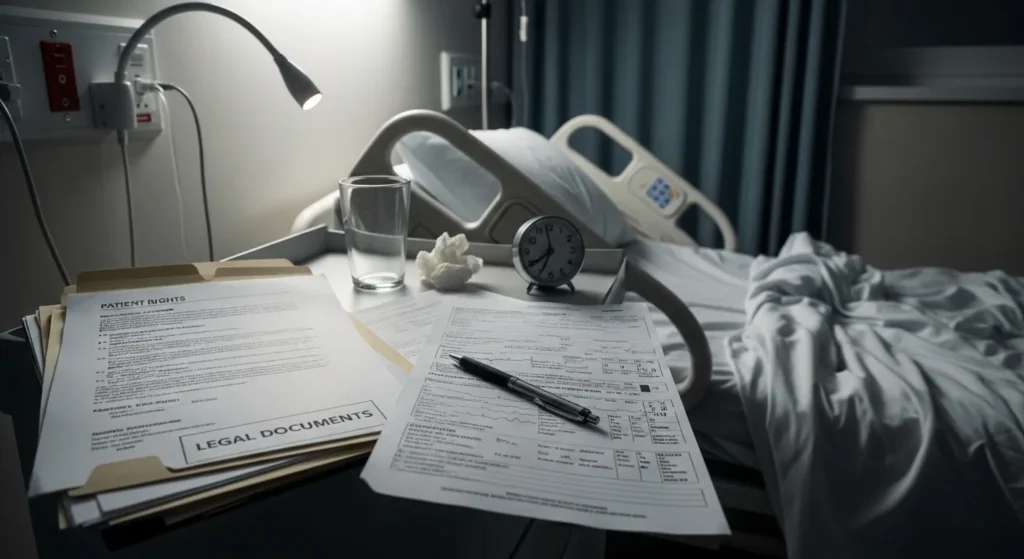
If a person died immediately at the scene, the pre-death suffering issue may be less central than in a case where the person remained conscious, underwent treatment, or endured meaningful pain before death. The longer and more medically documented the suffering was, the more important that now-expired damages category could have been.
That is why this topic pairs naturally with the site’s existing post on Navigating the Personal Injury Claim Process in Los Angeles. In fatal cases, process mistakes can cost a family more than time. They can change the shape of recovery itself.
It also connects well with Los Angeles Personal Injury Claims: Common Questions Answered, because one of the biggest unanswered questions in fatal cases is often, “What can our family still recover now?”
What Los Angeles Families Should Do Now
The smartest response is not panic. It is precision. Families dealing with a death after negligence need to identify what claims may still exist, what evidence supports them, and how the case should be framed under current California law. The 2026 change makes early legal analysis more important, not less.
Build the case around what is still recoverable
Even when pre-death pain and suffering is no longer available in many newly filed survival actions, other important damages may still exist. Economic losses sustained before death, medical expenses, lost income before death, punitive damages in the right case, and wrongful death damages for surviving family members may still matter a great deal. The key is not to assume the case disappeared just because one damages category changed.
The right records still make the difference
Medical records, hospital timelines, emergency response records, witness statements, scene evidence, employment records, and proof of the family relationship all remain important. In fact, when the law narrows one damages path, the supporting evidence for the remaining claims becomes even more important. Good documentation helps separate a strong case from a vague one.
This is also where the site’s article on Understanding Comparative Negligence in California Personal Injury Cases becomes relevant. Even in fatal cases, the defense may still try to shift part of the blame to reduce exposure.
If the death followed a crash involving a fleeing driver or a rideshare vehicle, the newer site content on Hit-and-Run Accident Claims in Los Angeles in 2026 and California SB 371 Rideshare Insurance Changes (2026) can also support the insurance and liability side of the case.
The bigger point is simple. California survival action 2026 issues are not just technical lawyer talk. They can change what a grieving family is allowed to pursue. That is why understanding the difference between a wrongful death claim and a survival action matters so much now. Families should not assume that every category of harm suffered before death still carries forward the way it did during the temporary statutory window.
For Los Angeles families, the practical move is to preserve records, document the timeline carefully, and evaluate the case under current law instead of older assumptions. When the rules change, the case strategy has to change with them.