
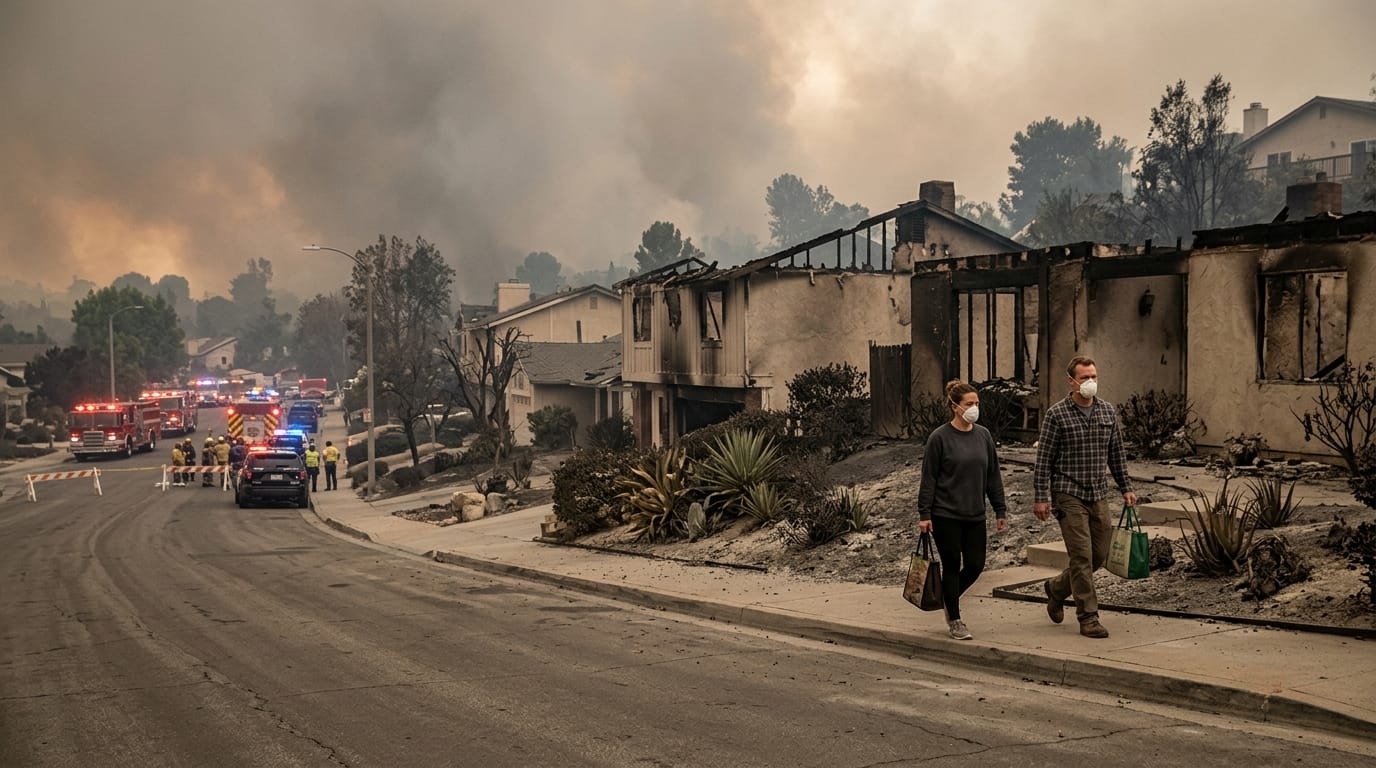
Wildfire injury claims in Los Angeles are becoming a bigger legal topic in 2026. The 2025 Los Angeles wildfires affected homes, businesses, roads, schools, workers, families, and entire neighborhoods. For many people, the damage did not end when the flames stopped. Smoke exposure, ash cleanup, evacuation crashes, emotional trauma, and insurance delays created long-term problems.
Many wildfire survivors first think about property loss. That makes sense. A burned home, damaged apartment, lost belongings, or unsafe business can turn life upside down. However, personal injuries can also become part of the recovery process. A person may suffer breathing problems after smoke exposure. A child may develop asthma symptoms. A worker may get hurt during cleanup. A driver may crash during evacuation traffic.
In 2026, these issues matter even more because state regulators are now reviewing how some wildfire claims were handled after the Los Angeles fires. That public attention gives survivors a reason to look closely at their own documentation, medical records, and insurance communications.
This guide explains how wildfire injury claims can work in Los Angeles, what evidence matters, and what injured residents should do before accepting quick answers from insurance companies.
Why Wildfire Injury Claims Are Different From Ordinary Accident Cases
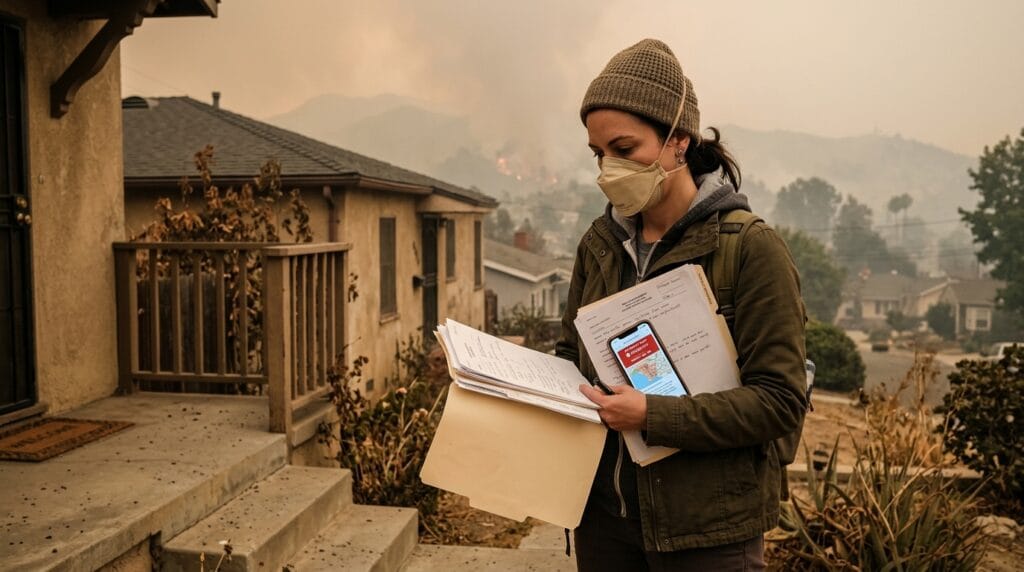
A normal injury claim often starts with one event. A car hits another car. A person slips in a store. A dog bites someone. Wildfire cases can involve several events at once. Smoke may spread across neighborhoods. Roads may close. Power may fail. People may rush to evacuate. Cleanup may expose residents to ash, debris, and chemicals.
That makes the legal picture more complicated. One person may have a property insurance claim and a separate injury issue. Another person may have a car accident claim from evacuation traffic. A worker may have a job-related injury. A tenant may claim a landlord failed to provide safe housing after smoke or ash damage.
The source of harm matters. Some cases may involve negligence by a property owner, utility, contractor, driver, employer, or another responsible party. Other losses may fall under insurance coverage instead of a personal injury lawsuit. Survivors should not assume every wildfire loss fits into one category.
Smoke Exposure Can Create Real Health Problems
Wildfire smoke can affect the body quickly. The CDC explains that smoke can cause coughing, trouble breathing, wheezing, asthma attacks, stinging eyes, scratchy throat, headaches, tiredness, chest pain, and fast heartbeat. People with asthma, COPD, heart disease, diabetes, kidney disease, pregnancy, children, and responders face higher risk.
Those symptoms can matter in wildfire injury claims. A person who needed urgent care, virtual care, prescriptions, breathing treatments, or follow-up appointments should keep every record. Medical documentation can connect symptoms to exposure and show how the injury affected daily life.
Los Angeles wildfire smoke also created broader health concerns. A JAMA Health Forum study found excess respiratory, cardiovascular, injury, and neuropsychiatric care visits after the January 2025 fires. That does not prove every individual case, but it shows why smoke-related health claims deserve serious attention.
Medical Records Matter From the First Visit
Medical records help prove timing. If symptoms started after smoke exposure, ash cleanup, evacuation, or return-home activity, tell the provider clearly. Explain where you were, what you breathed, how long exposure lasted, and what symptoms appeared.
Do not rely on memory alone. Save appointment summaries, prescriptions, inhaler records, test results, urgent care paperwork, and messages to providers. If symptoms continue, keep follow-up appointments. Gaps in treatment can give insurers room to argue that the injury was minor or unrelated.
Ash Cleanup Can Add Another Layer of Risk
Returning home after a fire can feel urgent, but ash cleanup can create health risks. Los Angeles County warns that ash, soot, dust, and airborne particles may irritate the skin, eyes, nose, and throat. Ash from burned buildings may also contain harmful materials such as asbestos, arsenic, and lead.
That matters for residents, renters, workers, and volunteers. A person who cleans without proper protection may develop breathing issues, eye irritation, skin problems, or cuts from debris. Save photos of the cleanup area, protective gear used, instructions received, and any symptoms that followed.
Who May Be Responsible After a Wildfire Injury?
Responsibility depends on what caused the injury. A driver may be liable for a crash during evacuation traffic. A property owner may face questions if unsafe debris, smoke contamination, or poor warnings harmed tenants or visitors. A contractor may be liable if cleanup work created unsafe conditions.
An employer may also enter the picture if a worker suffered exposure or injury while performing fire recovery work. Some cases may involve workers’ compensation. Others may involve third-party negligence if a separate company or person caused the harm.
Insurance issues can also overlap with injury issues. Property insurance may cover certain smoke or ash damage. Health insurance may cover medical care. Auto insurance may cover evacuation crashes. Liability insurance may apply when someone else’s negligence caused injury.
Negligence Can Involve More Than the Fire Itself
Some survivors think they must prove who started the fire before they can recover anything. That is not always true. A claim may focus on what happened after the fire started. Did someone drive recklessly during evacuation? Did a landlord ignore smoke contamination? Did a contractor expose residents to unsafe debris? Did an insurer delay decisions that affected safe housing or cleanup?
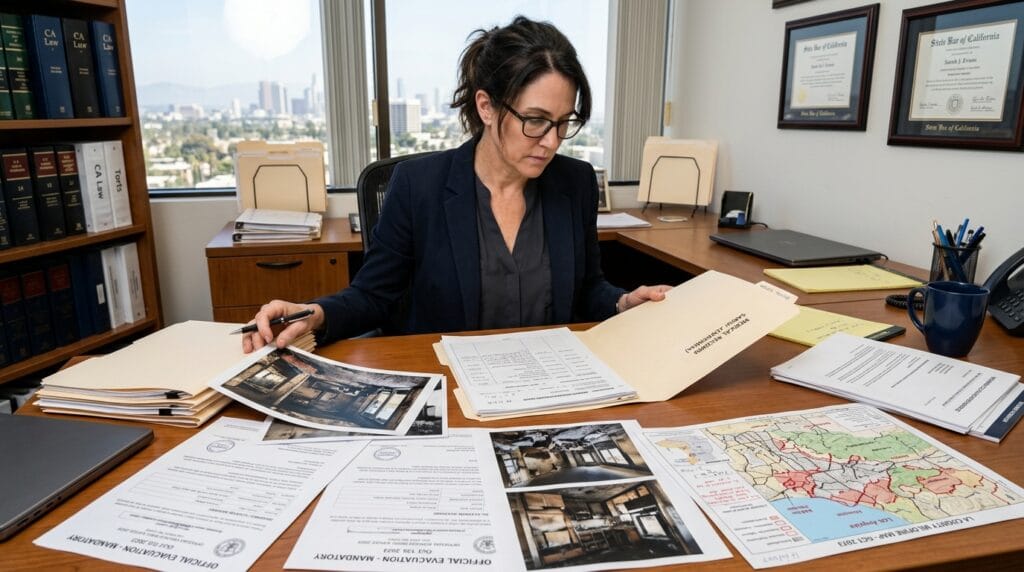
Each question needs evidence. Keep emails, texts, photos, repair estimates, inspection notes, medical records, hotel receipts, and claim letters. If a death occurred after injury or exposure, the site’s guide on California survival actions in 2026 can help families understand why claim structure matters.
What Injured Residents Should Do After a Wildfire-Related Injury
After a wildfire-related injury, start with health. Get medical care if you have breathing trouble, chest pain, dizziness, burns, eye irritation, severe coughing, cuts, headaches, or worsening symptoms. Children, older adults, pregnant people, and people with lung or heart conditions should take symptoms seriously.
Next, document the exposure or incident. Write down where you were, what happened, what you smelled or saw, and when symptoms began. If the injury involved a crash, take photos of the vehicles, road conditions, traffic, smoke, signs, and damage.
If the injury happened during evacuation, the claim may involve auto insurance. If a driver fled the scene, read the site’s guide on hit-and-run accident claims in Los Angeles. If the crash involved a rideshare trip, the article on California SB 371 rideshare insurance changes can help explain coverage issues.
Evidence That Can Strengthen Wildfire Injury Claims
Strong evidence can make wildfire injury claims easier to understand. Save medical records, photos, videos, receipts, evacuation notices, air quality alerts, insurance letters, repair estimates, and housing records. If you stayed in a hotel because your home was unsafe, keep receipts and messages.
Photos can help show smoke residue, ash, damaged filters, contaminated rooms, burned debris, unsafe stairs, broken glass, blocked exits, or road hazards. Videos can show the full condition of the property better than close-up photos alone.
Do not post too much online. Insurance companies and defense teams may review social media. A harmless photo or caption can create confusion. The site’s article on the impact of social media on your personal injury claim explains why injured people should be careful.
For health guidance, review the CDC’s page on how wildfire smoke affects your body. For local cleanup guidance, review Los Angeles County’s health and safety after a fire page. For insurance-related updates, review the California Department of Insurance announcement on wildfire claim handling enforcement.
Insurance Delays Should Not Stop Medical Documentation
Insurance delays can frustrate survivors, but they should not stop medical care or documentation. If you wait for an adjuster before seeing a doctor, the delay can hurt both your health and your claim. Treatment records create a timeline that insurance letters cannot replace.
Keep copies of every claim number, adjuster message, denial letter, payment explanation, and repair estimate. If an insurer says smoke, ash, or cleanup costs do not qualify, ask for the reason in writing. Written records protect you better than phone conversations.
Final takeaway: Wildfire injury claims in Los Angeles can involve smoke exposure, evacuation crashes, ash cleanup, unsafe housing, delayed insurance handling, and serious health records. Do not treat these cases like ordinary paperwork. Get medical care, document exposure, preserve photos and videos, save every insurance message, and review every possible source of recovery before accepting a quick settlement or denial.