
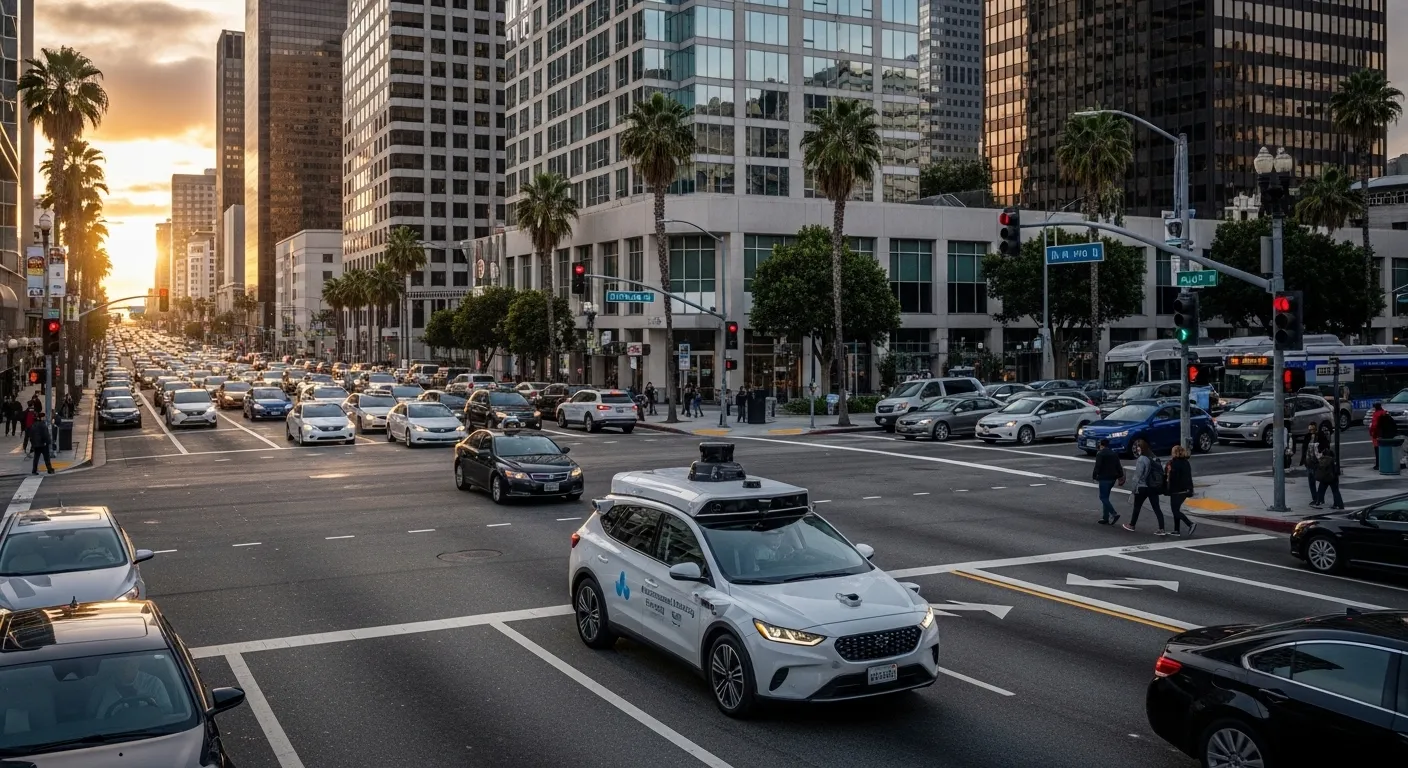
Robotaxi accident claims in Los Angeles are becoming a stronger legal topic in 2026 for one simple reason: autonomous ride services are no longer just a future concept. They are now part of the real traffic environment that drivers, pedestrians, cyclists, and passengers already deal with every day. As a result, more injury victims are starting to ask a practical question. What happens when a crash involves a vehicle that was operating without a traditional human driver?
That question matters because a robotaxi case does not always follow the same path as a standard car accident claim. In a normal crash, the injured person often starts by identifying the at-fault driver, the insurance carrier, and the basic evidence. However, in a robotaxi case, the analysis can widen fast. Depending on the facts, the claim may involve the fleet operator, a remote support system, a maintenance contractor, a software issue, another human driver, or some combination of those parties.
For your site, this topic fits naturally with the content you already have live. It connects well to Hit-and-Run Accident Claims in Los Angeles in 2026, California SB 371 Rideshare Insurance Changes (2026), and Distracted Driving Accidents in Los Angeles. It also gives your blog a fresh legal-update angle without repeating what you already published.
Why Robotaxi Accident Claims in Los Angeles Matter More in 2026

In 2026, this topic sits at the intersection of transportation, insurance, public safety, and personal injury law. That makes it useful for readers and strong for SEO. People are hearing more about autonomous rides, but most still do not understand how liability works after a crash. Therefore, a practical article that explains responsibility, evidence, and early mistakes can perform well because it answers a real search intent.
Los Angeles injury cases are getting more tech-heavy
Many injury cases now involve digital evidence, app-based services, and electronic records. That is not limited to rideshare claims. It also affects crashes involving autonomous systems, scooters, surveillance footage, trip records, and in-vehicle data. Because of that, robotaxi accident claims in Los Angeles are a logical next step for a site that already explains rideshare coverage changes and traffic-related injury risks. In other words, this topic expands the same content cluster instead of pulling your blog in a random direction.
These claims can involve more than one defendant
A robotaxi crash may still involve a human driver who ran a red light, drifted across lanes, or rear-ended the autonomous vehicle. However, that does not automatically end the analysis. If the robotaxi stopped unexpectedly, blocked traffic, failed to react properly, or created a hazardous position, other parties may enter the case. That makes early investigation more important. The injured person may need to look beyond the visible collision and ask how the system behaved before impact.
What makes liability and proof different from a regular crash
The biggest difference is evidence. In an ordinary car accident, lawyers often focus on photos, witness statements, police reports, vehicle damage, and medical records. Those still matter here. However, autonomous-vehicle cases can also turn on system logs, camera footage, trip records, crash data, software behavior, and communications tied to the ride platform. Therefore, the first days after the crash can matter even more than usual.
Vehicle data and app records matter early
If the injured person was a passenger, they should preserve the app receipt, trip screenshots, timestamps, route details, and any messages received after the incident. If the injured person was another driver, cyclist, or pedestrian, it helps to identify the vehicle, the company involved, nearby cameras, and any witnesses as quickly as possible. This is also where your existing post on Navigating the Personal Injury Claim Process in Los Angeles fits naturally. The process still starts with medical care, documentation, and evidence preservation. Likewise, Dealing with Insurance Companies After an Accident remains highly relevant, because insurers will still look for ways to narrow liability or reduce damages.
Another reason this topic is strong is comparative fault. Even when advanced technology is involved, insurers may still argue that the injured person shares part of the blame. They may claim a pedestrian crossed unsafely, a driver changed lanes too aggressively, or a rider failed to react in time. That is why it makes sense to link readers to Understanding Comparative Negligence in California Personal Injury Cases. Technology does not erase blame-shifting. In fact, it can make that fight more technical.
What Injured People Should Do After a Robotaxi Crash
The legal theory matters, but the first practical moves matter more. A strong case can weaken quickly when evidence disappears, treatment is delayed, or the injured person says too much too early. For that reason, a good article on robotaxi accident claims in Los Angeles should focus not only on liability but also on what victims should do right away.
Steps that help protect a strong claim
First, get medical care immediately. Some injuries look minor at the scene but worsen within hours or days. Second, report the collision and get the report number if police respond. Third, document everything you can without putting yourself at further risk. Fourth, preserve all digital records connected to the ride or the scene.
- Save app screenshots, trip receipts, and ride notifications.
- Photograph the robotaxi, surrounding vehicles, street layout, and visible injuries.
- Get names and contact information for witnesses.
- Note nearby businesses, homes, or intersections that may have cameras.
- Keep every medical bill, diagnosis, prescription, and follow-up instruction.
Moreover, readers often need simple guidance after the crash, not abstract legal theory. That is why you can also connect this post to Los Angeles Personal Injury Claims: Common Questions Answered. It helps keep users on the site and moves them naturally into foundational claim information after they read the more current robotaxi update.
Mistakes that can quietly weaken the case
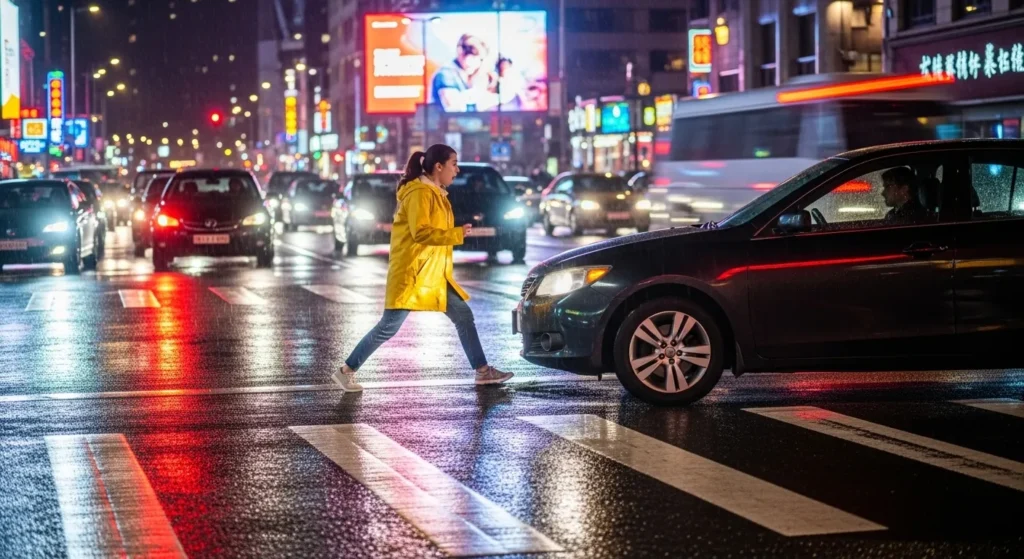
One of the most common mistakes is assuming the company already has all the useful evidence and will preserve it automatically. Another is treating the incident like a routine fender-bender and waiting too long to seek care. However, the quietest mistake is often social media. Casual posts, photos, or jokes can be taken out of context and used to question the seriousness of the injury. Therefore, this article should also point readers to The Impact of Social Media on Your Personal Injury Claim.
It also helps to remind readers that a robotaxi case does not always mean a lawsuit against only one company. Sometimes the strongest claim may still be against a human driver. Sometimes there may be multiple insurance issues. Sometimes a product-liability style investigation becomes relevant. The point is simple: these claims require careful evidence handling from the start.
For an external authority link, use the California DMV Autonomous Vehicle Collision Reports page. It gives readers a credible official source showing why autonomous-vehicle incidents are now part of the real legal conversation in California.
In the end, robotaxi accident claims in Los Angeles are a timely topic because they combine a strong local angle, a current technology trend, and a practical legal question that many readers still do not understand. They also strengthen your existing cluster around rideshare law, distracted driving, comparative negligence, insurance tactics, and pedestrian safety. That makes this topic useful for readers, relevant for search, and easy to support with internal links already on your site.