
A Los Angeles dog bite can become a serious personal injury claim, even when the dog never showed aggression before. Dog attacks can cause puncture wounds, infection risk, nerve damage, scarring, facial injuries, emotional trauma, and long-term medical needs. For children, older adults, delivery workers, tenants, pedestrians, and visitors, one bite can create months of treatment and stress.
California law gives bite victims important protections. Under California Civil Code Section 3342, a dog owner can be liable when their dog bites someone in a public place or while the person is lawfully in a private place. The law does not require the victim to prove that the dog had bitten someone before. That is why California is often described as a strict liability state for dog bite claims.
Still, a strong claim does not build itself. Insurance companies may dispute the severity of the injury, whether the victim was lawfully present, whether the wound came from a bite, or whether treatment was necessary. They may also ask for recorded statements before the injured person understands the full medical impact.
This article is for educational purposes only and is not legal advice. Every dog bite injury claim depends on the facts, medical records, available insurance, evidence, and deadlines.
Why Los Angeles Dog Bite Claims Are Different From Other Injury Cases
Dog bite cases are different because California law focuses heavily on ownership and the act of biting. In many personal injury claims, the victim must prove negligence. That may mean showing that a driver ran a red light, a store ignored a spill, or a property owner failed to fix a hazard. Dog bite cases can work differently when the strict liability statute applies.
The official text of California Civil Code Section 3342 states that the owner of a dog is liable for damages suffered by a person bitten while in a public place or lawfully in a private place, regardless of the dog’s former viciousness or the owner’s knowledge of that viciousness.
That rule can help victims, but it does not remove every dispute. The insurer may still question whether the person was bitten, whether the injured person provoked the dog, whether the person had permission to be on the property, or whether the claimed damages match the medical evidence.
Strict liability does not mean automatic full payment
Strict liability can help prove responsibility, but it does not automatically prove the value of the claim. The victim still needs evidence of injuries, treatment, lost income, scarring, future care, pain, and emotional distress. A minor puncture wound and a severe facial bite do not carry the same value.
This is where documentation matters. Medical records, urgent care notes, photographs, prescriptions, wound care instructions, plastic surgery evaluations, therapy records, and scar photos can all support the claim. If the bite causes fear, anxiety, sleep disruption, or trauma around dogs, those effects should also be documented.
Your guide on Navigating the Personal Injury Claim Process in Los Angeles is a useful internal link here. Dog bite victims still need the same basics as other injury victims: medical care, evidence, reporting, and careful claim handling.
Public place and lawful presence still matter
The strict liability rule applies when the victim is in a public place or lawfully in a private place. That can include sidewalks, parks, apartment common areas, businesses, and homes where the person had permission to be present.
Disputes can happen when the bite occurs on private property. The owner or insurer may argue that the victim was trespassing, entered a restricted area, ignored warnings, or interacted with the dog without permission. That does not mean the insurer is right. It means the victim should preserve facts that show why they were lawfully there.
Provocation arguments can reduce settlement pressure
Insurers may argue that the victim provoked the dog. They may claim the person teased the animal, grabbed it, startled it, ignored warning signs, or acted carelessly around it. These arguments can become more common when the victim is a child or when the dog owner wants to avoid responsibility.
Witnesses can help. So can photos, video, text messages, delivery records, property access records, and bite report details. The goal is to show what actually happened before the attack, not let the dog owner’s version control the claim.
Insurance coverage can decide whether recovery is realistic
Many Los Angeles dog bite claims involve homeowners insurance, renters insurance, landlord-related coverage, business insurance, or another liability policy. The dog owner may not personally have enough money to pay for medical care and other losses, so insurance often becomes the practical recovery source.
Coverage disputes can still happen. Some policies exclude certain dogs, certain breeds, business-related incidents, or intentional conduct. Some landlords may only become part of the claim if they knew about a dangerous condition and had control over the property. These questions require careful review.
Your article on Dealing with Insurance Companies After an Accident is a strong internal link for dog bite victims. Insurance adjusters may seem friendly, but their job is still to limit what the company pays.
Do not give broad recorded statements too early
After a dog bite, an insurance adjuster may ask for a recorded statement. The questions may sound simple. Where were you standing? Did you touch the dog? Did you see warning signs? Did the dog growl? Were you invited? Did you have prior injuries?
Answers given too early can create problems. A victim may still be in pain, medicated, shocked, or missing details. Give basic facts when needed, but avoid guessing. Do not minimize pain, scarring, numbness, or anxiety just to sound polite.
How to Protect a Dog Bite Claim After an Attack
The first step after any dog bite is medical care. Clean the wound, seek urgent evaluation, and follow medical instructions. Dog bites can lead to infection, deep tissue damage, nerve injury, and scarring. Some victims may need antibiotics, stitches, rabies evaluation, tetanus updates, wound care, or plastic surgery consultation.
California Department of Public Health explains that animal bites can be painful, can cause wounds that scar or disfigure, and can sometimes become infected. It also reminds the public that any animal, including a pet, can bite if it feels threatened or scared. Readers can review the official overview here: California Department of Public Health animal bite information.
After medical care, report the bite. Los Angeles County Public Health provides animal bite reporting information and an online reporting process for certain submissions. Readers can review the county’s reporting page here: Los Angeles County animal bite reporting.
Evidence checklist for a Los Angeles dog bite claim
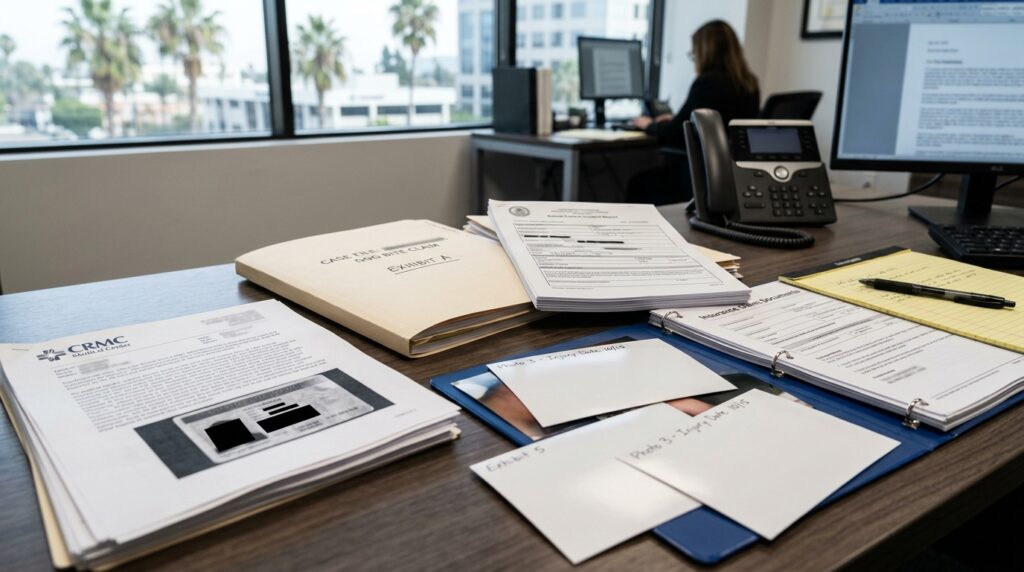
A strong Los Angeles dog bite claim should include evidence from the scene, the dog, the injury, and the insurance file. Start with photos. Photograph the wound immediately, during healing, and after scarring becomes visible. Take pictures from different angles and in good lighting.
Save clothing, torn fabric, broken glasses, damaged phones, or any item affected during the attack. Get the dog owner’s name, address, phone number, insurance information, and dog vaccination details if available. Identify witnesses, including neighbors, delivery workers, family members, store employees, or other people who saw the dog before or after the bite.
If the dog has a history of aggression, document that too. Prior bites, complaints, animal control records, warning signs, leash violations, fence problems, or neighbor reports may help the claim. This evidence can matter even when strict liability applies because it may affect settlement pressure and safety concerns.
Medical records and scar photos matter
Dog bite claims often depend on the quality of the medical record. Emergency notes, wound measurements, infection treatment, antibiotics, surgical repair, nerve symptoms, follow-up care, and scar evaluations can help prove damages.
Do not rely only on one photo from the day of the attack. Scars can change over time. Infection can develop later. Numbness, stiffness, and emotional trauma can become clearer after the initial shock fades. Keep documenting the injury as it heals.
Your article on How to Maximize Your Personal Injury Compensation in Los Angeles fits naturally here because detailed evidence can help protect claim value during settlement negotiations.
Children may need extra documentation
Dog bites involving children can be especially serious. Children may suffer facial injuries, fear of dogs, nightmares, school disruption, and long-term scarring. They may also struggle to explain pain or emotional distress clearly.
Parents should keep medical records, school absence notes, therapy records, photos, and notes about behavior changes. If the injury affects sleep, confidence, social activities, or appearance, document those changes. A child’s claim should account for more than the first medical bill.

A Los Angeles dog bite claim can involve strict liability, insurance coverage, bite reports, medical treatment, scarring, emotional harm, and settlement disputes. California law gives bite victims important protection, but victims still need strong evidence to prove the full value of the claim.
If a dog bit you or your child, act quickly. Get medical care. Report the bite. Photograph the injury. Identify the dog and owner. Save witness information. Keep medical records organized. Then review the insurance issues before giving broad statements or accepting a quick settlement.