
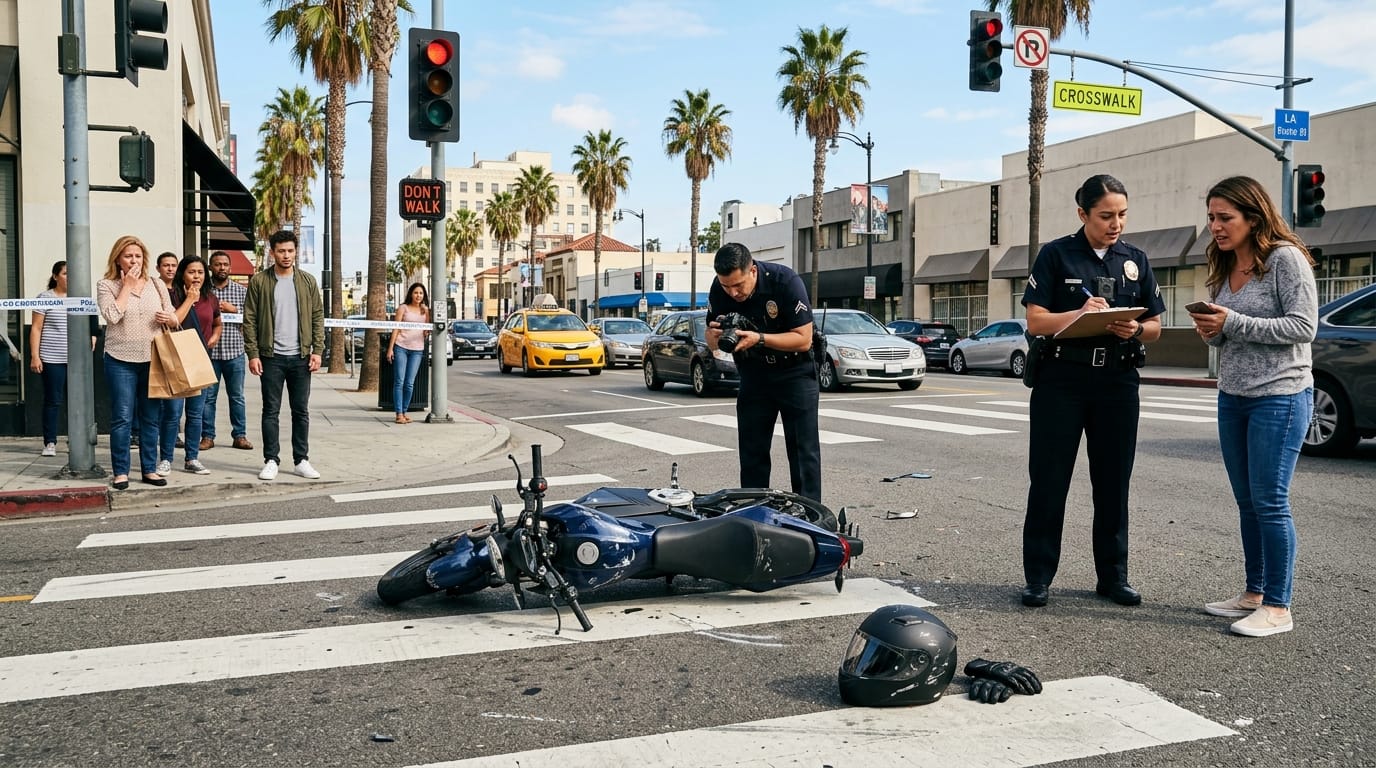
Los Angeles e-moto accident claims are becoming a serious legal issue in 2026. More riders now use electric two-wheeled vehicles that look like e-bikes but perform more like mopeds or motorcycles. Some travel far faster than a legal electric bicycle. Others have unlocked settings, aftermarket parts, confusing labels, or online listings that mislead parents, teens, and everyday buyers.
That confusion can create real danger. A pedestrian may get hit on a sidewalk. A driver may misjudge a rider’s speed. A cyclist may get forced out of a bike lane. A teen rider may lose control of a powerful device that should never have been used like a normal bicycle.
After a crash, the legal question goes beyond who hit whom. Investigators may ask whether the device qualified as a legal e-bike. They may also review the rider’s age, license status, helmet use, product modifications, parent decisions, retailer marketing, and insurance coverage. These details can change the direction of the claim.
This guide explains how Los Angeles e-moto accident claims may involve illegal high-speed e-bikes, retailer liability, parent responsibility, insurance disputes, and key evidence. This article provides general information only and does not replace legal advice.
Why Illegal High-Speed E-Bikes and E-Motos Create Injury Risks
Los Angeles already has crowded sidewalks, busy crosswalks, delivery riders, school zones, rideshare stops, tourists, and bike lanes that do not always feel safe. When high-speed electric two-wheelers enter that environment, small mistakes can cause serious injuries.
California separates legal e-bikes into classes based on pedals, motor assistance, throttle use, and top assisted speed. When a vehicle exceeds those limits, it may no longer qualify as an e-bike. Instead, California may treat it as a moped, motorcycle, or off-highway electric motorcycle. That distinction matters because age rules, helmet rules, licensing, registration, and insurance may affect the claim.
This article builds on the site’s guide to California 2026 e-bike laws and Los Angeles injury claims. That post explains why updated equipment and classification rules matter. This article focuses on a harder question: what happens when the vehicle has too much power to qualify as an ordinary e-bike?
When an E-Bike May Actually Be an E-Moto
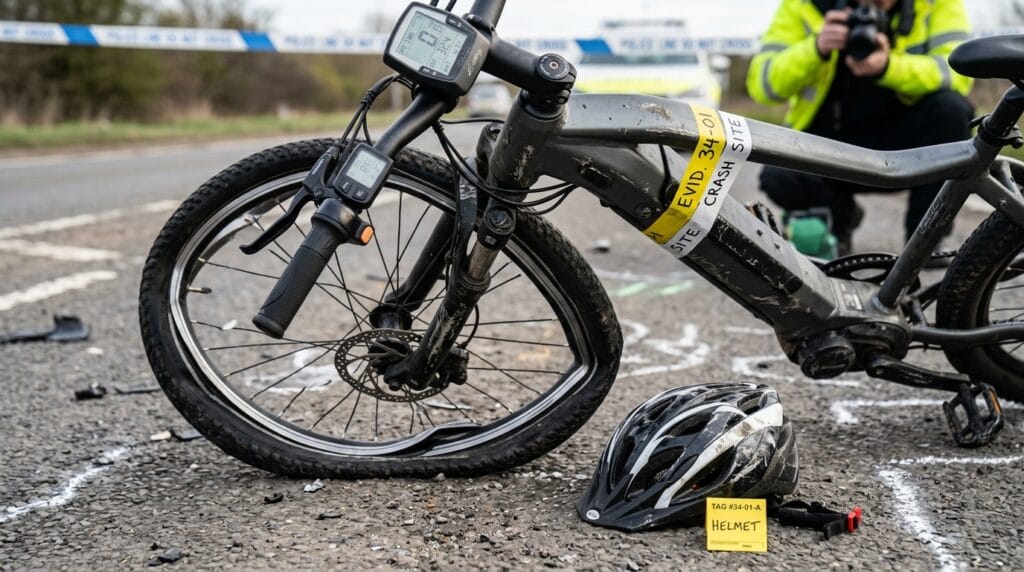
The label on the box does not decide the legal issue. A seller may call a product an e-bike, but investigators should look at speed, throttle capability, motor power, pedals, modifications, app settings, and actual use. If the device can exceed legal e-bike limits, both sides may argue about whether the rider should have treated it like a motor vehicle.
This matters because a legal e-bike crash and an illegal e-moto crash can create different legal arguments. A driver may say they misjudged the rider’s speed because the device looked like a bicycle. A pedestrian may argue the rider should not have used the sidewalk. An insurer may deny coverage because the rider modified the vehicle or used a motorized device outside policy limits.
Victims should not treat these details as minor. In Los Angeles e-moto accident claims, the device itself can become one of the most important pieces of evidence.
Speed, Throttle, and Pedals Can Change the Claim
Speed often becomes the first issue. If the vehicle can exceed legal e-bike limits, the crash may involve licensing, registration, and motor vehicle arguments. Throttle use can also matter. A device that moves fast without pedaling creates different risks than a pedal-assist bicycle.
Pedals can provide another clue. Some high-powered electric motorcycles have no useful pedal function. Others include pedals that appear decorative or rarely get used. After a crash, photos, product manuals, receipts, app screenshots, and inspection reports can help show what the device really was.
Modified Devices Can Create Evidence Problems
Some riders modify e-bikes to go faster. Others use apps, aftermarket controllers, unlocked settings, battery upgrades, or online kits. These changes can affect braking distance, acceleration, stability, and insurance coverage.
After a serious crash, victims should try to preserve the device before anyone repairs, sells, or destroys it. Important details may include serial numbers, display screens, controller settings, battery labels, throttle hardware, damaged parts, and purchase records. If the device disappears, a key part of the claim may disappear too.
Who May Be Liable After a Los Angeles E-Moto Crash?
Liability depends on the facts. The rider may carry responsibility if they were speeding, riding on the sidewalk, ignoring traffic signals, weaving through pedestrians, performing stunts, riding without required safety equipment, or operating a vehicle they could not legally use.
However, Los Angeles e-moto accident claims may involve more than the rider. A parent may share responsibility if they allowed a minor to operate a dangerous vehicle despite known risks or warnings. A retailer may face questions if it sold a high-powered device as if it were a legal e-bike. A manufacturer may also matter if poor design, weak warnings, or misleading marketing contributed to the crash.
A driver may share fault as well. For example, a car may turn across a bike lane, open a door into a rider, or fail to yield at an intersection. In that situation, both the rider’s conduct and the driver’s conduct need review. California’s comparative fault rules may reduce compensation when several parties share blame.
Retailer and Parent Evidence May Matter
Retailer evidence can become important when the seller used confusing or misleading product descriptions. Victims should preserve screenshots of online listings, speed claims, throttle details, warning labels, age recommendations, and seller messages.
Purchase records can also help. If a parent, teen, or rider bought the device online, the listing may show whether the seller explained speed limits and legal restrictions. In some cases, unsafe marketing may matter as much as unsafe riding.
Parent responsibility can also become part of the investigation. If a minor causes a serious crash on a high-speed electric vehicle, investigators may ask who bought it, who knew how fast it could go, and who allowed the child to ride it. They may also look for prior warnings, complaints, tickets, or previous close calls.
How Victims Can Protect a Los Angeles E-Moto Injury Claim

The first step after any crash is medical care. High-speed electric two-wheeler crashes can cause head injuries, fractures, dental injuries, shoulder trauma, knee injuries, back injuries, road rash, nerve symptoms, and emotional distress. Pedestrians and cyclists face extra risk because they have little protection.
After medical needs, evidence should become the priority. Take photos of the device, rider position, helmet, lights, pedals, throttle, display, battery, tire marks, debris, crosswalk markings, sidewalk conditions, traffic signals, vehicle damage, injuries, and nearby cameras. If the rider leaves the scene, write down every detail you remember.
Hit-and-run issues can happen in e-moto cases too. A rider may flee because they are underage, uninsured, using an illegal device, or afraid of consequences. If that happens, the site’s article on hit-and-run accident claims in Los Angeles may help. Fast reporting and video preservation can make a major difference.
Insurance and Device Evidence Can Decide the Case
Insurance often creates the hardest problem in Los Angeles e-moto accident claims. A standard auto policy may not cover the rider. A homeowner or renter policy may exclude motorized vehicles, business use, intentional misconduct, or modified devices. If the vehicle required registration or insurance as a moped or motorcycle, coverage disputes can become even harder.
If the crash involved a delivery rider, gig work may add another layer. The rider may have logged into an app, carried food, or rushed to complete an order. In that case, route history, app status, delivery timing, and customer records may become important. For related issues, readers can review the site’s article on delivery truck and gig delivery liability.
Victims should be careful with early insurance calls. Adjusters may try to frame the case before anyone inspects the device. They may ask whether the rider looked like a bicyclist, whether the pedestrian stepped out suddenly, or whether the victim saw the device coming. Guessing can damage the claim.
Evidence to Save Before It Disappears
Strong evidence may include medical records, police reports, witness statements, surveillance footage, dashcam video, product listings, purchase records, serial numbers, app screenshots, inspection findings, and repair estimates. The goal is to show how the crash happened and what kind of vehicle caused it.
Los Angeles e-moto accident claims are not ordinary bicycle cases. They can involve speed, illegal modifications, underage riders, retailer marketing, parental decisions, insurance exclusions, and serious injuries. The strongest cases start early with clear documentation and a careful review of the vehicle itself.
For victims, the practical rule is simple. Do not let anyone reduce the crash to “just an e-bike accident” before the facts are known. Preserve the device, document the scene, identify witnesses, seek medical care, and investigate whether the vehicle could legally operate where the crash happened. In 2026, that distinction may shape the entire claim.
For an official legal safety reference, readers can review the California Attorney General’s consumer alert on e-bike safety and legal requirements: California Attorney General e-bike consumer alert.